Featured

Browsing Debt Mercy in 2026: Searching For Legitimate Alleviation in a Crowded Market
Table of Contents
- – What Financial Obligation Forgiveness Really I...
- – The Important Difference In Between Nonprofit ...
- – Bankruptcy Counseling: Recognizing Your Legal ...
- – Contrasting Your Financial Debt Alleviation Op...
- – Warning Indications of Debt Alleviation Scams
- – Making an Educated Choice
- – Taking the Initial Step
When charge card equilibriums spiral beyond control and regular monthly minimal settlements hardly scrape the surface of what you owe, the weight of economic stress can really feel unbearable. With American customers now holding over $1.21 trillion in bank card financial debt jointly, discovering legitimate financial obligation relief has never been more vital. Almost half of cardholders bring an equilibrium from month to month, and the part dropping behind on minimal payments has risen to 12.3% in current information.
For those looking for a pathway out of overwhelming financial debt, understanding the difference between financial debt forgiveness, personal bankruptcy counseling, and financial debt administration can mean the distinction in between economic recovery and much deeper problem.
What Financial Obligation Forgiveness Really Implies
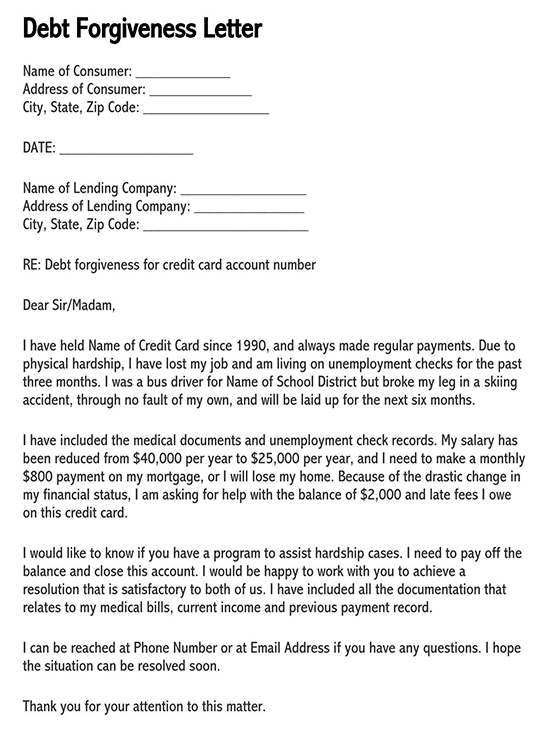
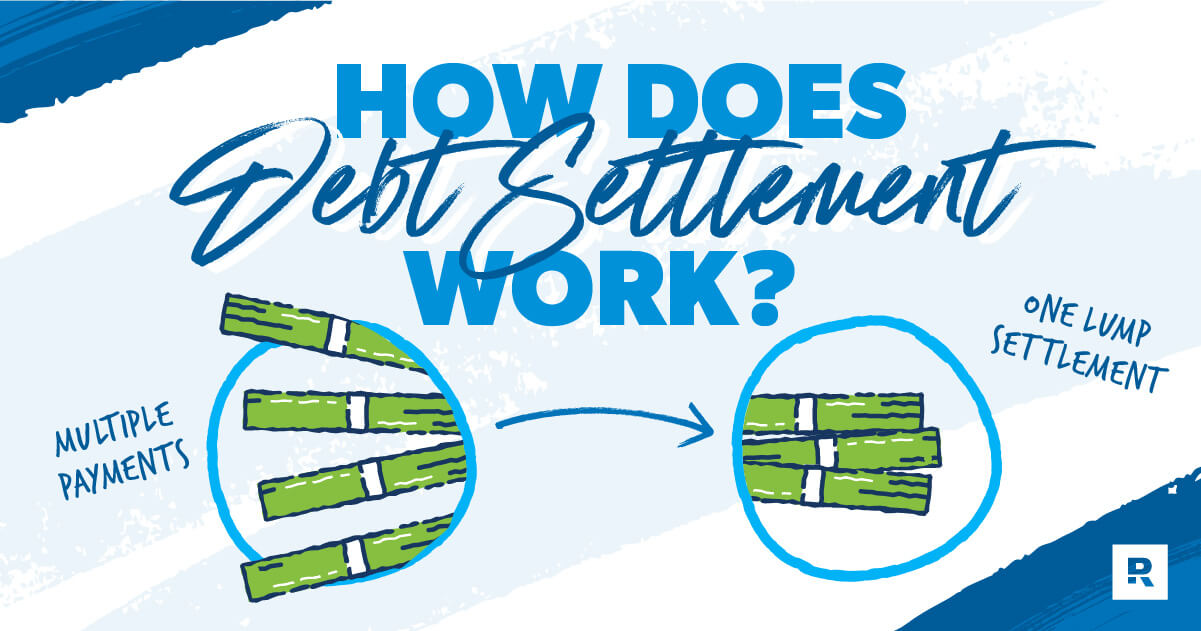
Financial obligation forgiveness describes the procedure of negotiating with financial institutions to minimize the overall quantity owed, enabling consumers to resolve their financial debts for less than the initial balance. Unlike debt combination, which integrates several financial obligations into a single settlement, or financial debt management prepares that restructure settlement timetables, debt mercy programs proactively function to get rid of portions of your outstanding balances.
When a credit report card account goes unpaid for 120 days or even more, financial institutions commonly bill off the financial debt and might accept lowered negotiations to recover a minimum of a part of what they're owed. Negotiations typically range from 30% to 50% of the original equilibrium, though outcomes differ based upon the creditor, account age, and individual circumstances. The majority of debt forgiveness programs extend 2 to 4 years, needing customers to develop funds in specialized accounts while mediators function with lenders.
It's worth noting that forgiven financial debt over $600 is normally thought about taxed revenue by the IRS. Anyone thinking about financial obligation settlement need to get in touch with a tax specialist to recognize the implications before continuing.
The Important Difference In Between Nonprofit and For-Profit Providers
The Customer Financial Security Bureau warns that handling for-profit financial obligation negotiation business can be high-risk. These firms generally charge costs varying from 15% to 25% of registered financial debt and typically urge clients to stop making repayments totally while arrangements continue. This strategy can result in placing late fees, charge rate of interest costs, harmed credit history, and also suits from financial institutions.
Nonprofit credit scores counseling companies run under various requirements. Organizations approved by the united state Department of Justice as 501(c)(3) nonprofits concentrate on customer welfare instead of earnings margins. Their credit scores therapy sessions are normally offered for free, and financial obligation management program costs are covered at $79 month-to-month nationwide under federal guidelines.
The National Structure for Credit Counseling (NFCC), established in 1951, represents the gold requirement for not-for-profit monetary therapy. NFCC member firms have to meet strict ethical criteria, with therapists required to recertify every 2 years. Research performed by Ohio State University found that NFCC credit scores counseling customers decreased their revolving financial obligation by $3,600 greater than comparison groups over 18 months adhering to counseling, with 70% reporting boosted monetary confidence.
Bankruptcy Counseling: Recognizing Your Legal Demands
For individuals whose financial circumstances have actually worn away past what financial obligation mercy or management programs can resolve, bankruptcy might become essential. Federal law calls for anybody declare Phase 7 or Chapter 13 insolvency to finish both pre-filing credit score counseling and post-filing debtor education training courses with an approved firm.
Pre-bankruptcy counseling involves an extensive review of earnings, financial debts, and costs, in addition to exploration of alternatives to insolvency. The session assists filers understand whether insolvency truly represents their finest alternative or whether other debt relief approaches might work. Post-filing debtor education and learning concentrates on budgeting, conserving, and restoring credit history after insolvency discharge.
Both sessions normally take 60 to 90 minutes. Costs vary by provider yet usually range from $20 to $50 per course, with cost waivers offered for those that certify based upon income. Upon conclusion, filers get certifications required for their insolvency petitions.
Not-for-profit agencies like APFSC deal these required insolvency therapy programs alongside their other debt alleviation services, offering a streamlined experience for those navigating the insolvency process.
Contrasting Your Financial Debt Alleviation Options
Comprehending which come close to fits your circumstance needs straightforward assessment of your monetary scenarios.
Financial obligation administration intends job best for those that can still make consistent settlements however need aid reducing rate of interest and organizing numerous financial debts right into single monthly repayments. These programs usually span three to five years and pay financial debts in full, just with far better terms. Credit report ratings commonly enhance over time as equilibriums reduce.
Financial obligation settlement or mercy programs suit those with larger financial obligation tons, typically $7,500 or more, that have currently fallen back on settlements and can not genuinely pay equilibriums completely. These programs bargain minimized rewards yet carry credit history consequences and tax implications.
Bankruptcy offers one of the most significant alleviation but additionally one of the most substantial lasting debt effect. Chapter 7 liquidates properties to discharge financial debts, while Chapter 13 develops organized repayment strategies over three to 5 years. Personal bankruptcy continues to be on debt reports for 7 to 10 years.
Credit counseling alone, without enrollment in a certain program, helps those who require budgeting support and financial education to stop future debt troubles. These sessions are typically cost-free via not-for-profit companies.
Warning Indications of Debt Alleviation Scams
Customers must be particularly skeptical of business declaring to use government-sponsored charge card debt mercy programs. No such government programs exist for credit rating card financial obligation, unlike the mercy options readily available for federal trainee finances. Any advertisements recommending otherwise are most likely rip-offs.
Other warnings include business that require big ahead of time charges prior to providing solutions, assurance particular negotiation percentages, inform you to quit interacting with creditors totally, or refuse to clarify their charge framework plainly. Legit nonprofit companies provide transparent info regarding expenses, timelines, and practical results.
The CFPB advises thinking about all choices prior to engaging any financial debt alleviation solution, consisting of negotiating directly with financial institutions on your own and speaking with nonprofit credit score therapists who can offer objective evaluations of your scenario.
Making an Educated Choice
Picking the appropriate financial obligation relief course depends on specific scenarios, overall financial debt quantity, income security, and ability to make consistent settlements. Free preliminary assessments from nonprofit credit score therapy firms aid potential customers understand their options without high-pressure sales strategies.
During these sessions, accredited counselors evaluate economic situations, discuss offered programs, and create personalized recommendations. Whether a person inevitably chooses financial debt mercy, financial obligation administration, insolvency, or self-directed payment, beginning with not-for-profit guidance guarantees they obtain suggestions concentrated on their financial wellness.
Industry leaders like Money Monitoring International, GreenPath Financial Health, InCharge Financial Debt Solutions, and APFSC all provide thorough services spanning debt counseling, financial obligation monitoring, and insolvency education. A lot of supply several get in touch with approaches consisting of phone, online conversation, and email, making it easy to begin the discussion.
Taking the Initial Step
Financial healing hardly ever occurs over night. Debt management plans generally span three to 5 years, and financial obligation negotiation programs usually need 24 to 48 months of organized financial savings and settlements. The alternative of proceeding to have a hard time with uncontrollable financial obligation while rate of interest compounds supplies no course forward.
For anyone sinking in credit report card financial obligation, medical costs, or personal fundings, connecting to a not-for-profit credit report counseling agency represents an essential primary step. The assessment costs absolutely nothing, carries no obligation, and provides clarity concerning realistic alternatives. From there, informed decisions come to be possible.
Empowering Communities: The Impact of Financial Education Programs : APFSCThe trip from overwhelming financial debt to monetary security requires dedication, persistence, and professional advice. With assistance from trusted nonprofit agencies and a clear understanding of offered programs, that trip becomes achievable.

Table of Contents
- – What Financial Obligation Forgiveness Really I...
- – The Important Difference In Between Nonprofit ...
- – Bankruptcy Counseling: Recognizing Your Legal ...
- – Contrasting Your Financial Debt Alleviation Op...
- – Warning Indications of Debt Alleviation Scams
- – Making an Educated Choice
- – Taking the Initial Step
Latest Posts

Private Emerging Trends in Debt Management: What Borrowers Need to Know Organizations Reviewed - Questions
The 10-Minute Rule for Actions to Take Once Rebuild Credit While Paying Off Medical Loans

Creating a Personalized Path to Relief Things To Know Before You Buy
More
Latest Posts
Private Emerging Trends in Debt Management: What Borrowers Need to Know Organizations Reviewed - Questions
The 10-Minute Rule for Actions to Take Once Rebuild Credit While Paying Off Medical Loans
Creating a Personalized Path to Relief Things To Know Before You Buy