Featured
:max_bytes(150000):strip_icc()/debtrestructuring.asp_final-a64fcb2c01704710bc55061e4304ce7d.png)
The Genuine Expense of Neglecting Financial Debt: Just How Specialist Therapy Services Are Transforming Financial Healing
Table of Contents
Economic anxiety has actually become a defining feature of contemporary American life. With total bank card financial debt exceeding $1.21 trillion and the average cardholder owing even more than $6,500, numerous individuals locate themselves caught in cycles of minimal settlements and intensifying interest. When charge card rate of interest float around 23%, also modest balances can balloon into frustrating worries within months.
For those sinking in the red, the question isn't whether to seek assistance-- it's locating the appropriate sort of help that will not make issues worse.
The Expanding Demand for Debt Mercy Solutions
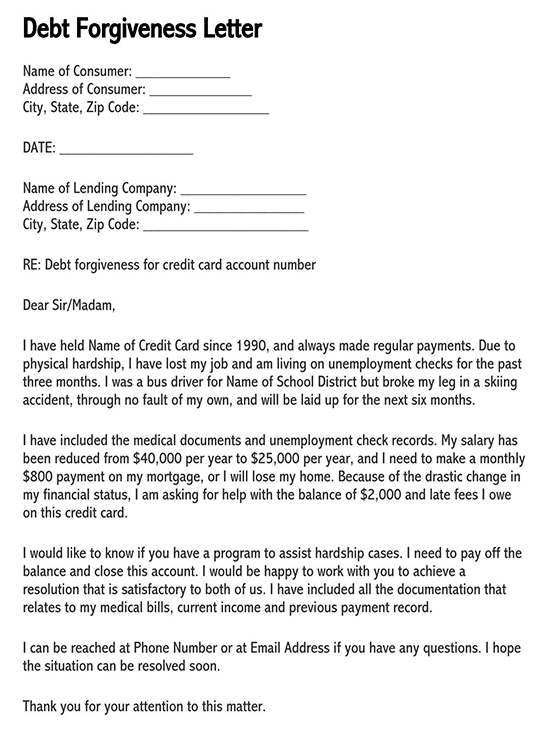
Debt mercy has actually become among the most browsed monetary topics online, and forever reason. The idea of working out financial obligations for less than the total owed offers genuine hope to people who see no sensible path to paying their equilibriums completely.
The procedure typically works similar to this: when charge card accounts go unsettled for 120 days or more, lenders commonly bill off the financial debt. At this phase, they may approve lowered negotiations to recuperate at the very least a part of what's owed. Successful negotiations can decrease balances by 30% to 50%, depending on the creditor and your demonstrated monetary challenge.
Nonetheless, debt mercy isn't complimentary cash. Worked out accounts show up on credit score records as "" paid much less than complete equilibrium,"" which impacts your rating. Additionally, forgiven quantities going beyond $600 may be reported to the IRS as taxed income. Comprehending these trade-offs before seeking settlement is essential.
Bankruptcy Therapy: The Misunderstood Security Net
Personal bankruptcy carries considerable preconception, yet it stays a reputable lawful tool designed to give overwhelmed people a real new beginning. What many individuals do not realise is that government legislation requires 2 therapy sessions prior to and after declaring-- and these sessions exist particularly to guarantee you're making an educated choice.
Pre-bankruptcy debt counseling includes an extensive testimonial of your earnings, financial obligations, and expenses. Certified counselors existing alternatives you could not have actually thought about, including debt administration programs or hardship negotiations. This isn't concerning dissuading insolvency; it has to do with confirming it's genuinely your finest alternative.
Post-bankruptcy borrower education and learning prepares you for economic success after discharge. You'll discover budgeting strategies, conserving methods, and credit history restoring approaches designed to stop future economic difficulties.
Organisations like APFSC offer both required programs, with charges around $19.99 per session unless you certify for difficulty waivers. Their certified therapists supply same-day certifications, and sessions normally run 60 to 90 minutes. This availability issues when you're currently emphasized concerning financial resources.
Comparing Your Financial Debt Relief Options
Recognizing the landscape of financial debt alleviation helps you make informed decisions. Each approach brings distinctive advantages and drawbacks.
Financial Debt Administration Programs consolidate multiple unsafe financial debts into solitary month-to-month repayments. Therapists work out with financial institutions to possibly decrease rate of interest without needing new lendings. Many clients full these programs within 3 to 5 years. The primary advantage is paying debts completely while minimizing total rate of interest paid.
Debt Negotiation bargains decreased benefit quantities, commonly 30% to 50% less than owed. This method needs quiting settlements to financial institutions while collecting settlement funds, which harms credit report throughout the procedure. Results differ based on financial institution determination and your demonstrated difficulty.
Bankruptcy gives court protection while getting rid of or restructuring debts. Chapter 7 sells off certain properties to release unprotected debts promptly. Phase 13 develops three-to-five-year payment strategies for those with routine earnings. Bankruptcy continues to be on credit rating reports for 7 to ten years but uses the most thorough fresh start.
Credit Therapy offers education and assistance without necessarily signing up in formal programs. Licensed counselors review your complete economic picture and suggest ideal next actions, which could include any of the above alternatives.
What Sets Nonprofit Counseling Apart
The difference between not-for-profit and for-profit debt relief firms matters significantly. Not-for-profit firms like those certified by the National Structure for Credit Score Counseling (NFCC) operate under stringent moral standards and charge guidelines. Their therapists go through strenuous accreditation and needs to recertify every 2 years.
For-profit financial debt settlement firms, conversely, might charge costs ranging from 15% to 25% of enrolled financial debt equilibriums. Some employ hostile sales tactics and make unrealistic guarantees regarding outcomes. The Consumer Financial Defense Bureau has documented countless problems regarding predacious techniques in this field.
APFSC runs as a not-for-profit therapy agency, offering free financial debt administration appointments and managed fees for ongoing solutions. Their HUD-approved housing therapists add worth for those dealing with foreclosure alongside general financial debt worries. Providers are readily available in English, Spanish, and Portuguese, expanding availability to underserved neighborhoods.
Research study supports the effectiveness of nonprofit therapy. A research study appointed by the NFCC found that debt therapy customers minimized rotating financial obligation by $3,600 greater than comparison groups throughout the 18 months following their sessions. Nearly 70% of participants reported better money management and greater financial self-confidence.
Warning Indications of Predatory Debt Alleviation Services
Not all financial debt alleviation companies have your best passions at heart. Acknowledging red flags shields you from making a tight spot worse.
Beware of firms that ensure particular outcomes. No reputable solution can guarantee exact settlement percentages or timeline warranties due to the fact that outcomes depend on individual creditors and situations.
Avoid any kind of firm demanding large in advance fees before supplying services. Legitimate not-for-profit counseling provides free first appointments, and for-profit settlement firms are lawfully forbidden from gathering costs till they efficiently resolve at least one debt.
Question anyone advising you to stop connecting with financial institutions completely without explaining the consequences. While calculated communication stops briefly in some cases support arrangements, total evasion can lead to claims, wage garnishment, and extra damage.
Reputable agencies clarify all alternatives truthfully, consisting of choices that may not entail their paid services. If a company pushes only one service regardless of your circumstance, look for support elsewhere.
Taking the Very First Step Towards Healing
Financial healing begins with truthful assessment. Gather your most recent statements for all financial obligations, determine your overall responsibilities, and evaluate your sensible regular monthly payment capacity. This details forms the foundation for any kind of effective therapy session.
Consider scheduling cost-free assessments with several not-for-profit companies prior to dedicating to any program. Contrast their referrals, cost structures, and communication styles. The appropriate therapy partnership need to really feel encouraging as opposed to pushing.
Organisations like APFSC offer online conversation, phone consultations, and comprehensive intake processes created to understand your special situation before advising solutions. Their financial debt management calculator assists you imagine prospective timelines and cost savings before signing up.
The Path Ahead
Frustrating financial obligation does not specify your future-- however disregarding it will. Whether debt forgiveness, insolvency counseling, or structured debt administration makes good sense for your scenario depends on elements distinct to your circumstances.
Expert guidance from licensed nonprofit therapists brightens choices you could never find independently. These solutions exist especially to aid people like you navigate intricate monetary difficulties without predative fees or impractical assurances.
The average American dealing with financial obligation waits far too lengthy prior to seeking help, enabling rate of interest to compound and choices to slim. Monthly of hold-up prices cash and prolongs your healing timeline.
How to Use Credit Cards Wisely to Avoid Debt : APFSCYour very first discussion with a qualified therapist costs nothing but can alter everything. Financial liberty isn't scheduled for the fortunate-- it's available to anybody ready to take that first action towards recognizing their alternatives and devoting to a practical strategy.

Table of Contents
Latest Posts

Private Emerging Trends in Debt Management: What Borrowers Need to Know Organizations Reviewed - Questions
The 10-Minute Rule for Actions to Take Once Rebuild Credit While Paying Off Medical Loans

Creating a Personalized Path to Relief Things To Know Before You Buy
More
Latest Posts
Private Emerging Trends in Debt Management: What Borrowers Need to Know Organizations Reviewed - Questions
The 10-Minute Rule for Actions to Take Once Rebuild Credit While Paying Off Medical Loans
Creating a Personalized Path to Relief Things To Know Before You Buy